Efficient CNC Machining Solutions for European Businesses
- katharinebond
- Jan 10
- 4 min read
In the competitive landscape of manufacturing, European businesses are constantly seeking ways to enhance efficiency and reduce costs. One of the most effective methods to achieve this is through CNC machining. This technology not only streamlines production processes but also ensures precision and quality. In this blog post, we will explore the various CNC machining solutions available for European businesses, how they can improve operational efficiency, and specific examples of successful implementations.
Understanding CNC Machining
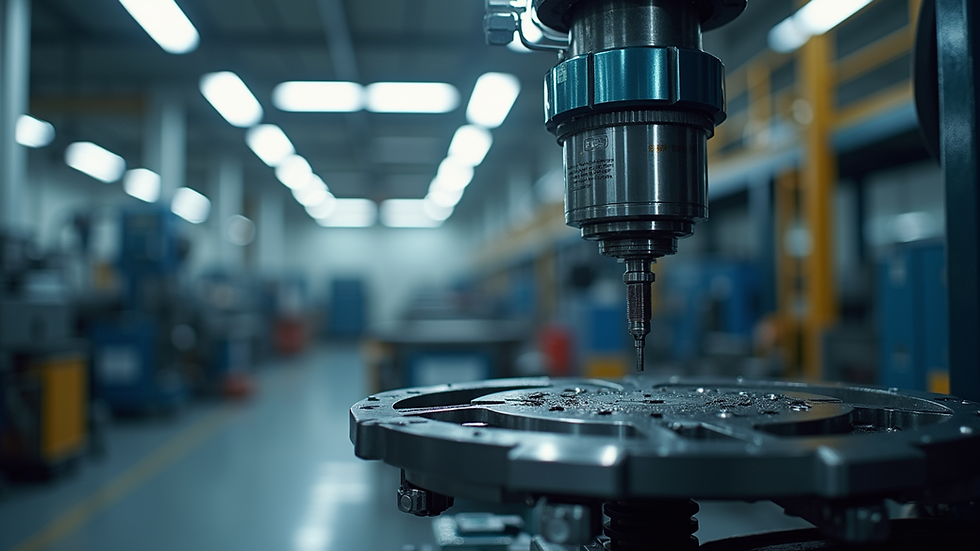
CNC, or Computer Numerical Control, machining is a manufacturing process that utilizes computer software to control machine tools. This technology allows for the automation of complex tasks, resulting in high precision and repeatability. CNC machining is widely used in various industries, including aerospace, automotive, and medical devices.
Key Benefits of CNC Machining
Precision and Accuracy
CNC machines can produce parts with tolerances as tight as ±0.001 inches. This level of precision is crucial for industries where even the slightest deviation can lead to significant issues.
Increased Efficiency
With CNC machining, production times are significantly reduced. Automated processes mean that machines can operate continuously, leading to higher output rates.
Flexibility
CNC machines can be easily reprogrammed to produce different parts, making them ideal for businesses that require versatility in their production lines.
Reduced Waste
CNC machining minimizes material waste through precise cutting and shaping, which is not only cost-effective but also environmentally friendly.
Enhanced Safety
Automation reduces the risk of human error and workplace accidents, creating a safer environment for workers.
CNC Machining Technologies
There are several CNC machining technologies that businesses can leverage to improve their operations:
CNC Milling
CNC milling involves the use of rotating cutting tools to remove material from a workpiece. This method is ideal for creating complex shapes and features.
Applications: Aerospace components, automotive parts, and custom tooling.
Example: A European aerospace manufacturer utilized CNC milling to produce lightweight components, reducing overall aircraft weight and improving fuel efficiency.
CNC Turning
CNC turning is a process where a workpiece is rotated while a cutting tool shapes it. This method is particularly effective for cylindrical parts.
Applications: Shafts, bushings, and fittings.
Example: A European automotive supplier implemented CNC turning to produce high-precision engine components, resulting in improved performance and reliability.
CNC Laser Cutting
CNC laser cutting uses a high-powered laser to cut materials with extreme precision. This technology is suitable for various materials, including metals, plastics, and wood.
Applications: Signage, intricate designs, and metal fabrication.
Example: A European signage company adopted CNC laser cutting to create custom designs quickly, enhancing their product offerings and customer satisfaction.
CNC Waterjet Cutting
CNC waterjet cutting employs a high-pressure jet of water mixed with abrasive materials to cut through various materials. This method is particularly useful for thick materials that are difficult to cut with traditional methods.
Applications: Stone, glass, and thick metals.
Example: A European stone fabricator used CNC waterjet cutting to create intricate designs for countertops, significantly reducing production time and labor costs.
Choosing the Right CNC Machining Solution
When selecting a CNC machining solution, European businesses should consider several factors:
1. Material Compatibility
Different CNC machining technologies are suited for various materials. Understanding the material requirements of your projects will help in choosing the right technology.
2. Production Volume
Consider the volume of parts needed. Some CNC machines are better suited for high-volume production, while others are ideal for low-volume, custom work.
3. Complexity of Parts
Evaluate the complexity of the parts you need to produce. More intricate designs may require advanced CNC technologies, such as multi-axis machining.
4. Budget Constraints
CNC machines can vary significantly in price. Assess your budget and consider the long-term return on investment when selecting a solution.
5. Supplier Reputation
Choose a reputable supplier with a proven track record in CNC machining. Look for customer reviews and case studies to gauge their reliability and quality.
Implementing CNC Machining Solutions
Once a suitable CNC machining solution is selected, the next step is implementation. Here are some best practices for a successful transition:
1. Training and Development
Invest in training for your staff to ensure they are proficient in operating CNC machines. This will maximize productivity and minimize errors.
2. Maintenance and Support
Establish a regular maintenance schedule for your CNC machines to ensure they operate at peak performance. Additionally, having access to technical support can help resolve any issues quickly.
3. Continuous Improvement
Encourage a culture of continuous improvement within your organization. Regularly review processes and seek feedback from employees to identify areas for enhancement.
4. Integration with Other Technologies
Consider integrating CNC machining with other technologies, such as CAD/CAM software, to streamline the design and manufacturing process further.
Case Studies of Successful CNC Machining Implementations
Case Study 1: Aerospace Manufacturer
A leading aerospace manufacturer in Germany faced challenges with production delays and high material waste. By implementing CNC milling and turning technologies, they achieved a 30% reduction in production time and a 20% decrease in material waste. This not only improved their bottom line but also enhanced their reputation for quality and reliability.
Case Study 2: Automotive Supplier
An automotive supplier in Italy struggled with the precision of their engine components. After adopting CNC turning technology, they were able to produce parts with tighter tolerances, resulting in improved engine performance. The company reported a 15% increase in customer satisfaction due to the enhanced quality of their products.
Case Study 3: Custom Signage Company
A custom signage company in France was looking to expand its product offerings. By integrating CNC laser cutting technology, they were able to create intricate designs that attracted new customers. This led to a 25% increase in sales within the first year of implementation.
Conclusion
CNC machining offers European businesses a powerful solution to enhance efficiency, reduce costs, and improve product quality. By understanding the various technologies available and implementing best practices, companies can leverage CNC machining to stay competitive in the global market. As the manufacturing landscape continues to evolve, embracing these advanced technologies will be crucial for long-term success.


Comments